
A second home and an investment property can look similar on paper, but they are usually bought for different reasons. One is primarily a place to spend time; the other is primarily a financial asset. Being clear about which one you are pursuing helps you evaluate properties more objectively.
This guide covers the practical questions to answer before you buy in Greater Phoenix.
1. Define how you will use the property
A seasonal retreat, a future retirement base, and a rental property have different requirements. Ask yourself:
- Will you use it seasonally or year-round?
- Do you want a low-maintenance lock-and-leave home?
- Is rental income part of the plan, or is this purely for personal use?
- How often will family or guests stay there?
Your answers will shape everything from location to property type to how much maintenance you should expect.
2. Choose the location for the right reasons
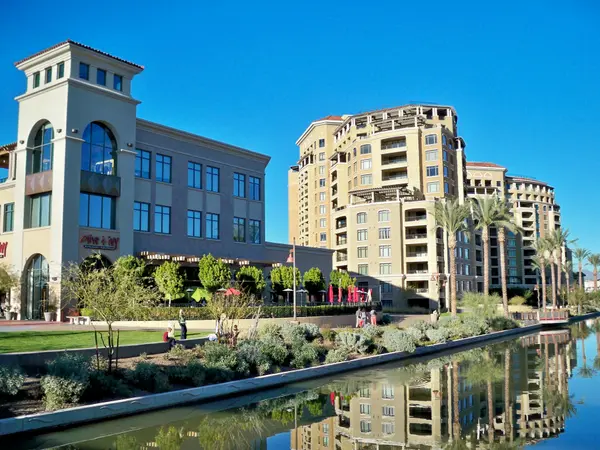
Greater Phoenix covers a wide range of communities, and each has its own character. Scottsdale and parts of Phoenix offer resort-style amenities and dining. Tempe and Chandler bring a mix of urban and suburban options. Gilbert, Queen Creek, and San Tan Valley appeal to buyers who want newer homes and more space.
For an investment property, location research should include demand drivers, nearby employment, and the surrounding neighborhood. For a second home, it should reflect how you actually want to spend your time. They are not always the same answer.
3. Budget for total ownership costs
The purchase price is only part of the picture. Build a realistic budget for:
- Property taxes and insurance
- HOA dues and association rules
- Utilities and landscaping
- Maintenance and repairs
- Vacancy and turnover, if you plan to rent
For a second home you will not occupy full time, it is worth deciding in advance who will check on the property and how maintenance will be handled.
4. Understand the financing differences
Financing for a second home or investment property can differ from a primary residence. Down payment requirements, interest rates, and documentation can vary. Your lender is the right person to explain the options that apply to your situation; I can help you prepare for the conversation.
5. Verify rules before you rely on them
Short-term rental rules, association restrictions, and insurance requirements vary by community and can change. If rental income is part of your plan, verify the current rules for the specific property before you purchase. No rental income, eligibility, or appreciation is guaranteed.
6. Think in terms of the long game
Investment property is a long-term commitment, and markets move in cycles. A realistic plan accounts for periods of lower occupancy, repair costs, and how long you are prepared to hold the property. For a second home, the long game is about whether the home continues to fit how you want to spend your time.
How I can help
I can help you research properties, compare communities, and understand the transaction. I am a REALTOR®, not a financial adviser or tax professional, so I will point you to the right experts for advice on investments and taxes.
Explore second-home guidance or investment property guidance, and reach out when you are ready to start the search.
FROM OUR BLOG


Buying Your First Home in the East Valley: Understanding the Process From Financing to Closing
Your first home purchase involves a lot of moving parts, and most of the stress comes from not knowing what happens next. The good news is that the process follows a fairly predictable sequence. Once you understand the steps, it becomes much easier to make decisions with confidence. Here is a plain-

Moving to Arizona's East Valley: Exploring Gilbert, Chandler, Mesa, and Queen Creek
Moving to the East Valley is one of the biggest decisions a family can make, and the hardest part is usually not the move itself. It is choosing where to land. Gilbert, Chandler, Mesa, Queen Creek, Tempe, and San Tan Valley are all part of the same corner of the Phoenix metro, yet they feel quite di